B1Plants
QL Biopharm Wuxi base will make its GLP 1 peptides with an E coli process
QL Biopharm signed with the Wuxi city government on October 21 to build a research and production base for its monthly GLP 1 injection and oral peptide. The company uses E. coli expression, but gave no budget, capacity or start date.
Dateline
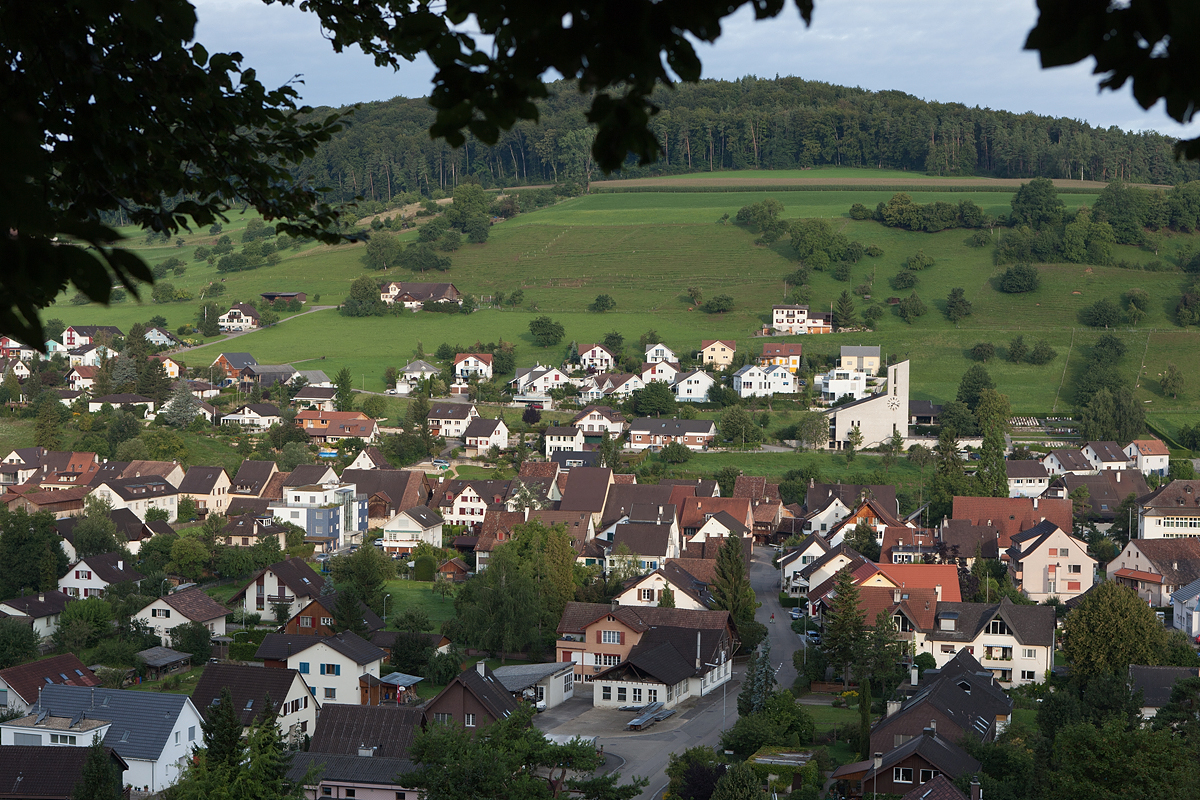
Wuxi National High Tech Zone
Illustration, not a picture of the site in the story.
In one lineQL Biopharm signed on October 21, 2026 to build a recombinant protein drug research and production base in Wuxi for its monthly GLP 1 injection and oral peptide.
Beijing based QL Biopharm has signed to build a research and production base for recombinant protein drugs in Wuxi, the city government said on October 21, 2026. The QL Biopharm Wuxi project is meant to make the company's monthly GLP 1 injection and its oral peptide, and its chief executive called the city the right place for the group's core commercial production base. No investment figure, capacity or start date was given.
What was signed in Wuxi
The signing took place on October 21 in Wuxi, Jiangsu province, according to an account posted by the city government on The Paper's government channel. Acting mayor Cai Jianfeng met QL Biopharm chairman and chief executive Zhang Xujia, and the two sides witnessed the agreement together with vice mayor Zhang Zhen. The base will sit in the Wuxi National High Tech Zone, which the city says is building a full chain around synthetic biology for medicine, beauty and special foods. Under the deal, QL Biopharm will set up research and manufacturing there for two core products, a once monthly injection and an oral peptide, plus later pipeline drugs. The city described the project as a key win in its drive to attract companies in that field.
Zhang said Wuxi's industrial base, its innovation network and its business climate made it an ideal choice for the group's core commercial production base. He said the company would concentrate resources to speed up construction and take part in the regional drug industry. Cai, for his part, said peptide drug demand keeps growing and urged the company to get the base built and running early. The city government account of the signing is short on numbers. It gives no investment total, no land area, no reactor or fermenter volume and no year for first output. It also does not say whether the base will hold a separate licence or extend an existing one. That makes the QL Biopharm Wuxi deal a site choice, not yet a costed build.
An E coli route for GLP 1 peptides
The more telling detail is how QL Biopharm makes its molecules. In a March 2026 funding announcement carried by the Zhongguancun Life Science Park, the company described a proprietary production platform based on E. coli bacteria and a technology for refolding proteins from inclusion bodies, the dense clumps in which bacteria often store a foreign protein. It listed four platforms in all, for very long acting drugs, oral peptides, refolding and fusion proteins, which it said cover the whole of recombinant protein production. That places the Wuxi base on the biological side of peptide manufacturing, with fermenters and refolding tanks, rather than the resin based chemical synthesis that many contract makers use for GLP 1 drugs.
That places the Wuxi base on the biological side of peptide manufacturing, with fermenters and refolding tanks, rather than the resin based chemical synthesis that many contract makers use for GLP 1 drugs.
Choosing between these routes shapes cost, waste and scale. Our explainer on yeast or resin production sets out how the two approaches differ for GLP 1 peptides. Chemical synthesis is flexible, but an industry group has estimated that the usual method needs thousands of kilos of input for each kilo of finished drug, much of it solvent. Recombinant expression shifts the burden to fermentation, recovery and purification. One of the company's investors, 5Y Capital partner Liu Kai, said in the March announcement that the E. coli platform gives QL Biopharm clear advantages in capacity, cost and quality control. That is an investor's view, and the company has not published yields or cost data to test it.
The pipeline the base would serve
The March announcement laid out what a commercial base would be asked to make. It said QL Biopharm raised more than RMB 500 million in a Series C round led by OrbiMed. Its lead drug, zovaglutide (ZT002), is a GLP 1 receptor agonist designed for monthly dosing and was in a Phase 3 weight loss study in China called HORIZON 1. An oral GLP 1 peptide tablet, ZT006, was in Phase 2 in China, and a GLP 1 and FGF21 dual agonist, ZT003, was in Phase 1 in Australia. The company also has a semaglutide biosimilar, ZT001, partnered with Tonghua Dongbao for diabetes and with Imeik for weight loss.
| Program | Type | Stage or role as reported in March 2026 |
|---|---|---|
| ZT002 zovaglutide | Monthly GLP 1 injection | Phase 3 weight loss study in China |
| ZT006 | Oral GLP 1 peptide tablet | Phase 2 in China |
| ZT003 | GLP 1 and FGF21 dual agonist | Phase 1 in Australia |
| ZT001 | Semaglutide biosimilar | Partnered with Tonghua Dongbao and Imeik |
| Wuxi base | Research and production site | Signed October 21, 2026, no budget or date given |
None of these drugs is approved yet, so the Wuxi base is being planned ahead of demand that depends on trial results and regulators. The semaglutide biosimilar is the product closest to market in China, where a cluster of companies has been lining up semaglutide copies for the end of local protection. The March announcement also said QL Biopharm's commercial production base had received a production licence, without naming its location, and claimed the company now covers the chain from early research through pilot and commercial output. How the existing licensed site and the new Wuxi base will split work was not explained.
What is missing from the announcement
For a reader tracking capacity, the gaps are larger than the facts. The QL Biopharm Wuxi agreement names no investment amount, land size, fermenter volume, annual output or construction schedule. It does not say whether the base will make active ingredient, finished injections and tablets, or both. It does not name a partner for the semaglutide biosimilar supply, or say whether ZT001 will move to Wuxi at all. The city government account is promotional in tone and comes from the host city, which has an interest in presenting the project as a major win. A stock exchange filing or a company release with figures would settle most of these questions, but none had appeared when this story was written.
What can be said with confidence is much narrower. A Chinese GLP 1 developer with an E. coli based process has chosen a second city for what it calls its core commercial production, in a high tech zone that is courting synthetic biology companies. If the base is built, it would add biological, not chemical, peptide capacity in Jiangsu, a province that already hosts large peptide synthesis plants run by contract makers. Whether it matters for supply depends on trial outcomes for zovaglutide and the oral peptide, and on how quickly the semaglutide biosimilar wins approval and finds buyers in China and abroad.
Conclusion
The QL Biopharm Wuxi signing on October 21, 2026 puts a commercial production base for the company's monthly GLP 1 injection and oral peptide into the Wuxi National High Tech Zone. The company uses an E. coli expression and refolding platform rather than resin synthesis. Investment, capacity and timing were not disclosed, and every product it would serve is still unapproved.
What it changes for supply
Would add E. coli based, not resin synthesis, GLP 1 peptide capacity in Jiangsu for a pipeline led by monthly zovaglutide and a semaglutide biosimilar partnered with Tonghua Dongbao and Imeik, once products are approved.
Still open
Investment, fermenter volume, annual output and start year; whether the base makes active ingredient, finished drug or both; and how work splits with the company's already licensed production site.
SourceWuxi city government account on The Paper, 21 October 2026; QL Biopharm Series C announcement via Zhongguancun Life Science Park, 3 March 2026.
Peptide Global covers how medicines are made and traded. Nothing here is medical advice.