B2ProcessExplainer
Yeast or resin: the two ways GLP-1 peptides get made
Semaglutide's backbone is grown in yeast and then finished by chemistry. Tirzepatide is built by chemistry from the start. That difference shapes their factories.
No single site
This piece is about how peptides are made.
In one lineGrown or built: the route decides what kind of plant a peptide drug needs.
Route one: grow it
Semaglutide's peptide backbone is made by recombinant yeast. The yeast carries a gene for a precursor chain and makes it in large steel fermenters. The chain is purified and then chemically modified: a fatty side chain is attached so the drug lasts about a week in the body. This is a semi-synthetic route.
Route two: build it
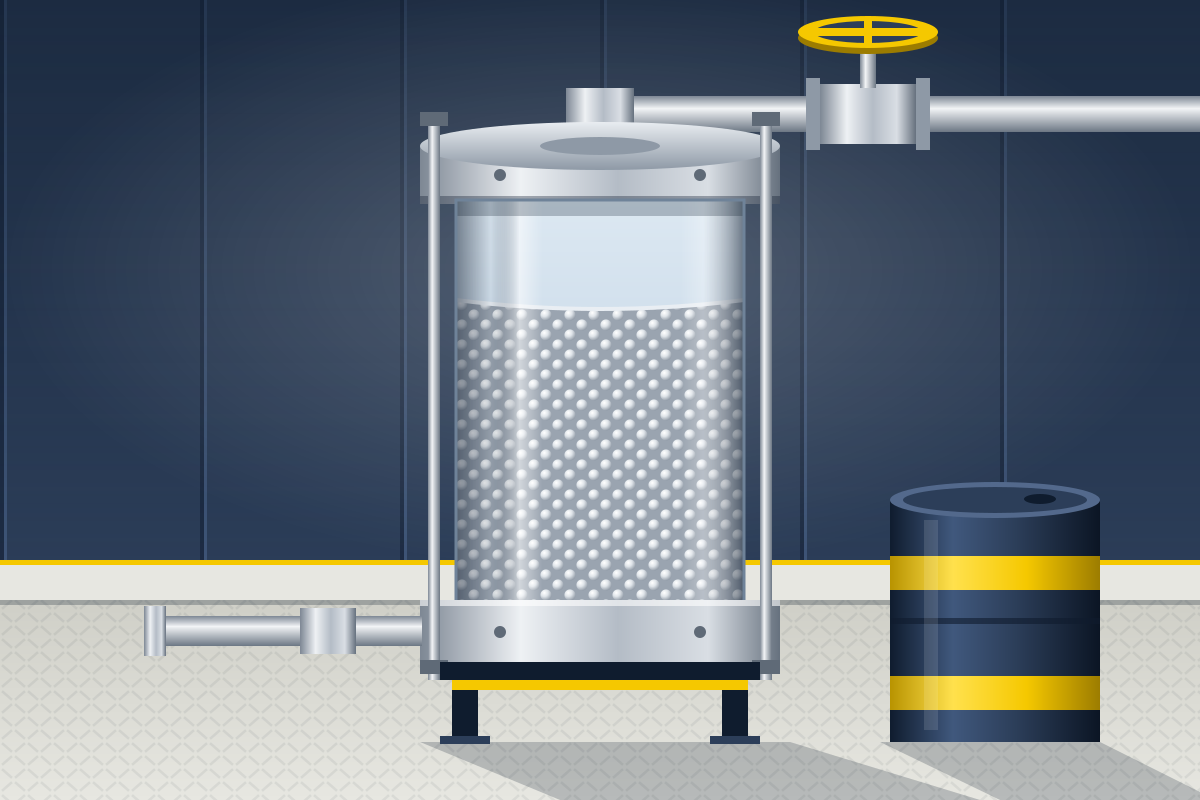
Tirzepatide contains building blocks that cells do not make naturally. It is assembled by chemistry: amino acids are added one by one on resin beads, or fragments are made and joined in solution, then the side chain is added.
What changes in the plant
| Grown (fermentation) | Built (synthesis) | |
|---|---|---|
| Main equipment | Fermenters, centrifuges | Reactors, resin vessels |
| Big inputs | Sugar, water, nutrients | Solvents, protected amino acids |
| Scale-up | Bigger tanks | More lines, more solvent handling |
Why it matters
When people talk about peptide capacity, they mean different things. Adding fermenters does nothing for a drug that must be synthesised, and the reverse.
The caveat
Exact commercial processes are trade secrets. The broad routes are described in regulatory documents and company presentations.
What it changes for supply
Fermentation plants and synthesis plants are not interchangeable. A shortage in one kind cannot be fixed by spare space in the other.
Still open
Whether the next wave of GLP-1 drugs, many with unnatural building blocks, can use biological routes at all.
SourceCompany filings and published process descriptions; regulatory assessment reports
Peptide Global covers how medicines are made and traded. Nothing here is medical advice.