B2Process
Lilly's Houston plant will make its GLP-1 pill, which skips peptide chemistry
One of Lilly's four new US sites will make orforglipron, a once-a-day pill that acts on the GLP-1 receptor but is not a peptide.
Dateline
Houston, Texas
In one lineNot every new GLP-1 needs a peptide factory; the pill is made by ordinary chemical synthesis.
What was announced
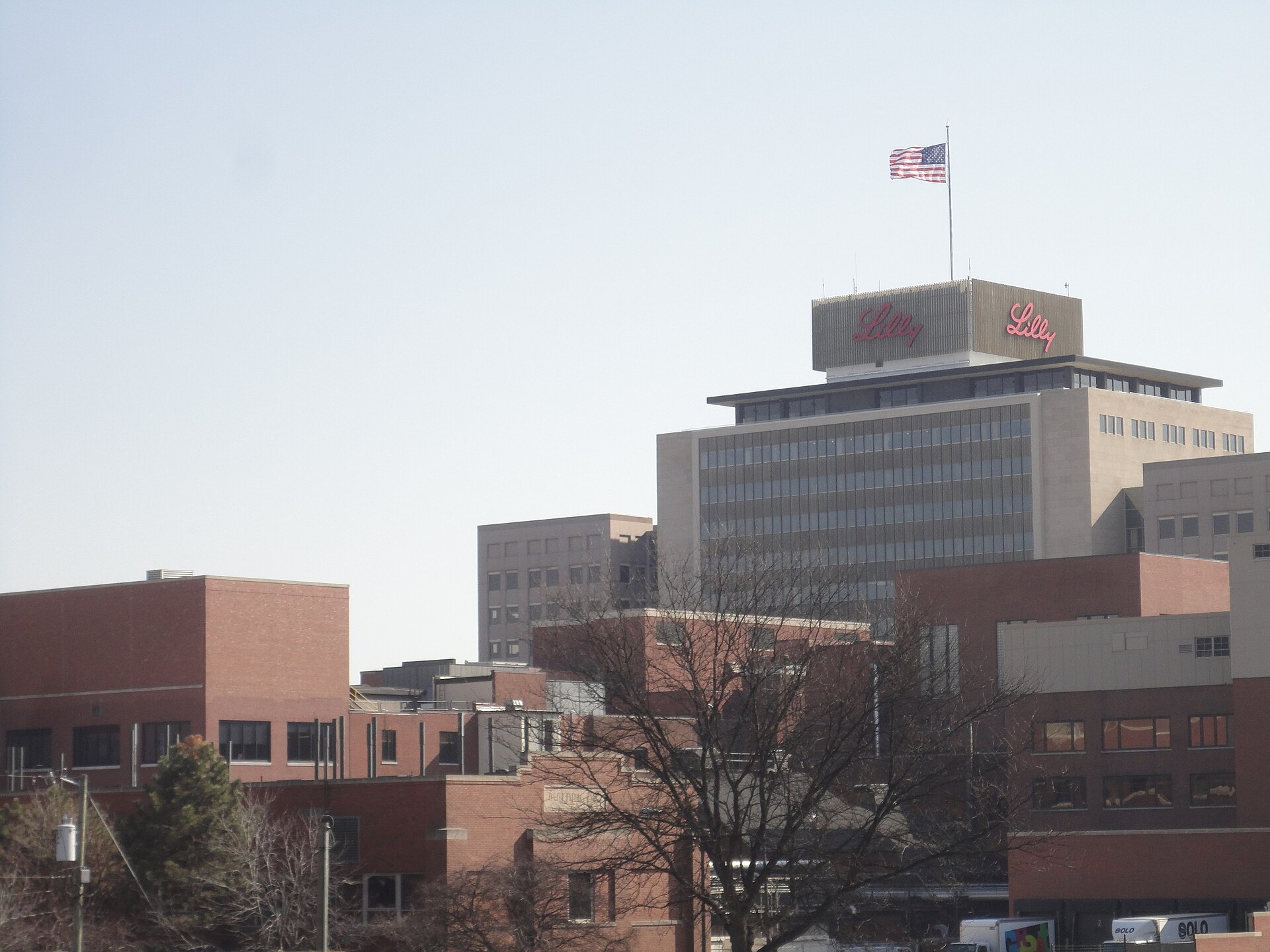
Lilly said it would build a $6.5 billion active-ingredient plant in Houston, Texas, as one of the four US sites it had promised in February. The company said the plant would make synthetic medicines, including orforglipron.
Why that matters here
Orforglipron is a small molecule. It switches on the same GLP-1 receptor as semaglutide or tirzepatide, but it is not a chain of amino acids. That changes the factory:
- no solid-phase peptide synthesis or long purification runs;
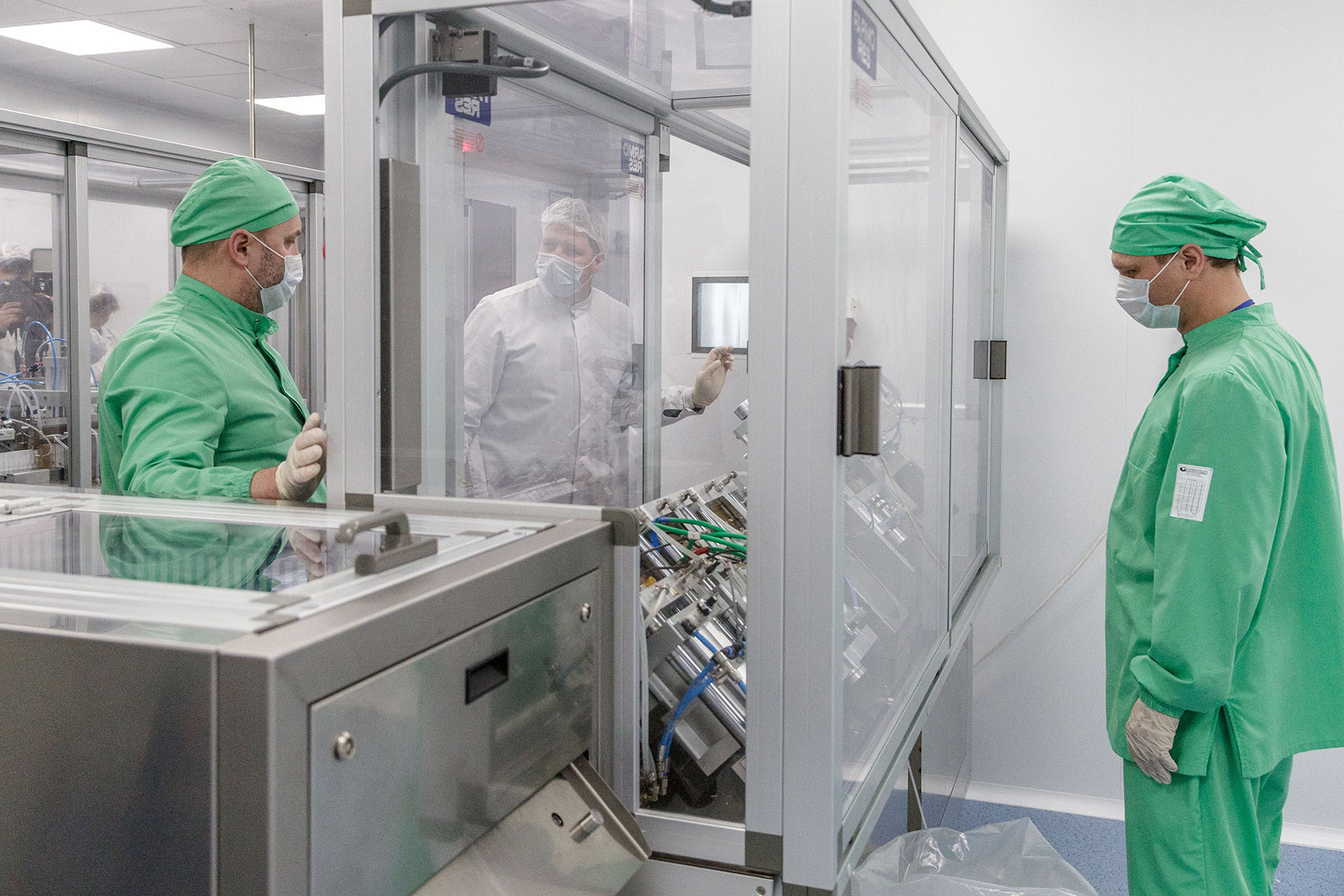
- no sterile filling, because it is a tablet;
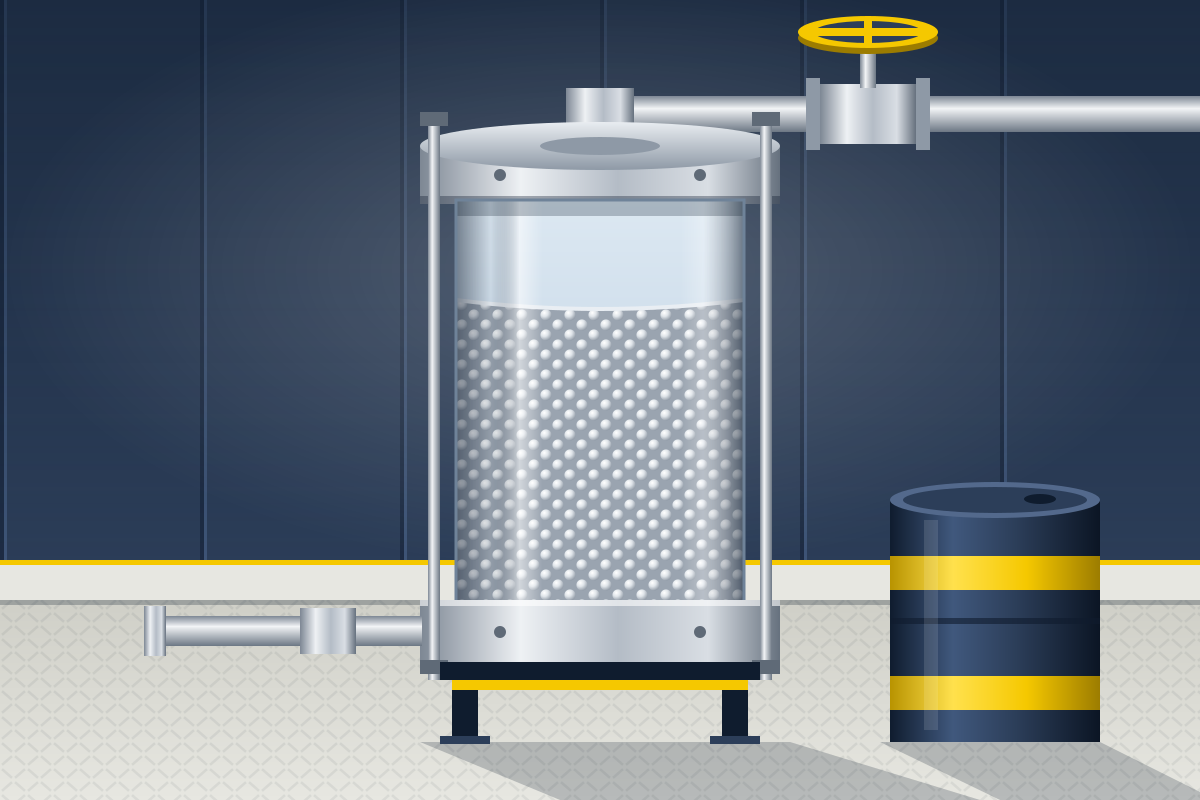
- batches can be very large, in ordinary chemical reactors.
Why build it now
Lilly was preparing to file orforglipron for approval and wanted supply ready at launch, so it built before the decision.
For peptide makers
If pills take part of the market, demand for peptide ingredient and pens could grow more slowly than earlier forecasts. Most analysts still expected injections to stay large.
The caveat
The plant depends on the drug being approved. Lilly did not give a capacity figure.
What it changes for supply
A non-peptide pill can be made in standard chemical plants, in very large batches, without peptide synthesis or sterile filling.
Still open
Whether orforglipron is approved, and how much of the obesity market moves from injections to pills.
SourceEli Lilly press release, September 2025
Peptide Global covers how medicines are made and traded. Nothing here is medical advice.