B4Deals
Kilitch Drugs Ethiopia sale funds a new Pen site with GLP 1 on the plan
Kilitch is selling its Ethiopian cephalosporin plant to a state-owned buyer for $14 million in total. The cash goes to debt and to a phased plant at Pen, Maharashtra, where it plans GLP-1 therapies with no molecule, budget or date named.
Dateline
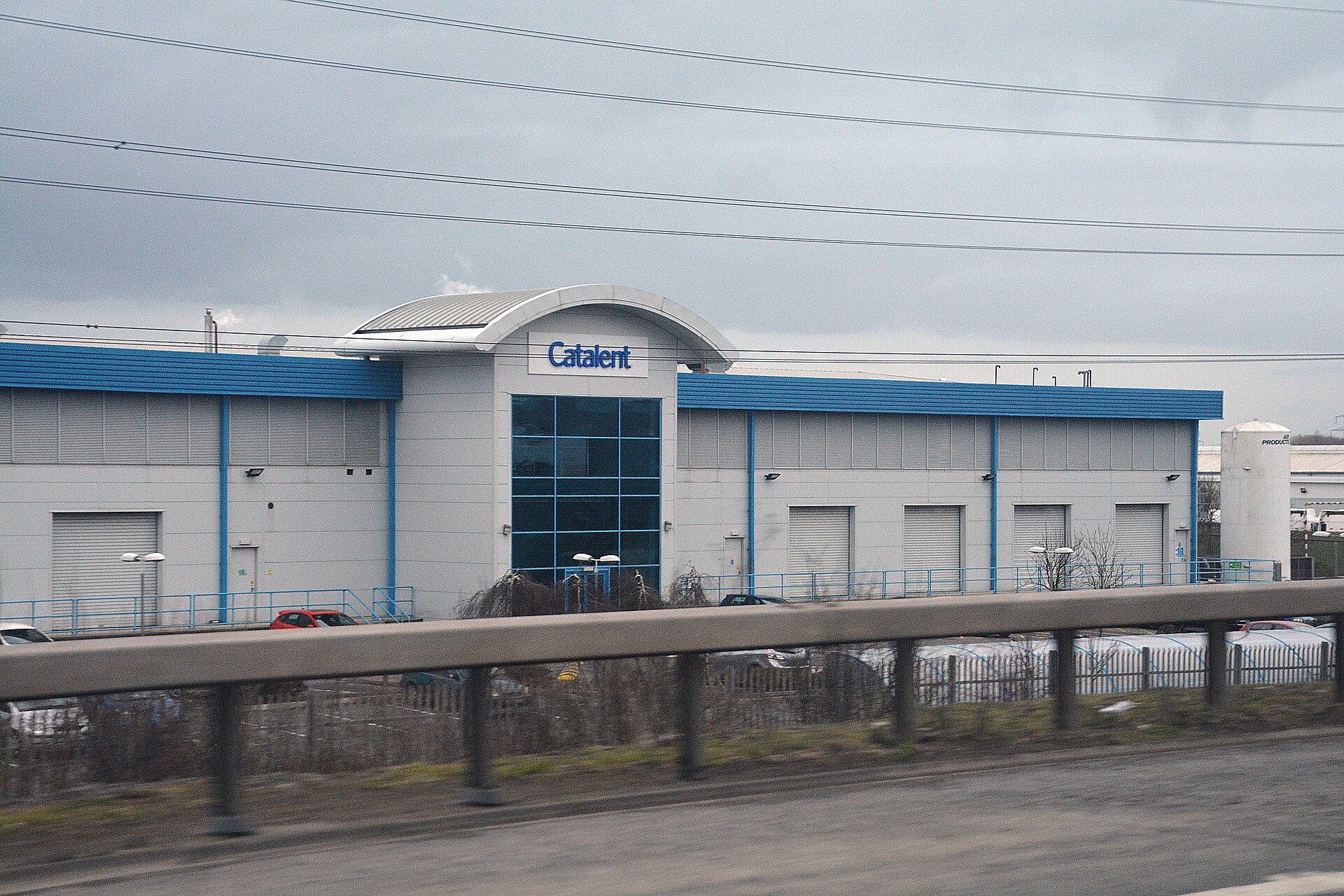
Kilitch Estro Biotech plant, Oromia Special Zone
Illustration, not a picture of the site in the story.
In one lineKilitch sells 100% of its Ethiopian cephalosporin unit to an Oromia state enterprise for $14 million, $12.855 million of it to Kilitch, to fund debt cuts and a phased Pen site with GLP-1 plans.
An Indian maker of sterile injectables is selling its only plant abroad to fund a new one at home. The Kilitch Drugs Ethiopia sale hands Kilitch Estro Biotech, a cephalosporin plant in the Oromia Special Zone, to a state-owned Ethiopian buyer for $14 million in total. Kilitch said the money will cut debt and pay for the phased build of a facility at Pen, Maharashtra, where it plans to develop and make GLP-1 therapies among other sterile products.
What the board approved on 22 October
The board of Kilitch Drugs (India) Limited met on the evening of 22 October 2026 and approved the disposal of its entire holding in Kilitch Estro Biotech PLC, known as KEB. The buyer is HarmeeCare Pharmaceuticals, a public enterprise set up under the laws of the Oromia Regional State of Ethiopia. According to the filing with the Indian exchanges, the buyer will pay $14 million in aggregate for all of the shares, and that sum also lets KEB clear its existing debts and liabilities. Of the total, $12.855 million is due to Kilitch itself. The two sides signed binding minutes setting out the key terms on the same day. A share purchase agreement and the other transaction papers are still to be signed, the company said.
Before the shares change hands, Kilitch will convert the money it lent KEB into equity. The filing puts that debt, including service costs, at up to INR 57 crore, to be turned into 166,472 KEB shares at Rs 3,414 each by the end of December 2026. This step tidies the balance sheet of the unit so that the buyer takes over a company with fewer claims on it. Kilitch said the buyer is not part of its promoter group and that the sale is not a related party deal. The debt conversion, by contrast, does count as a related party transaction because KEB is a material subsidiary of the listed company, the filing states.
| Item | Detail from the filings |
|---|---|
| Asset sold | 100% of Kilitch Estro Biotech PLC, Ethiopia |
| Buyer | HarmeeCare Pharmaceuticals, Oromia state enterprise |
| Total price | $14 million, of which $12.855 million to Kilitch |
| KEB turnover FY2025-26 | INR 47.57 crore, 20.20% of the group |
| KEB net worth, 31 March 2026 | Negative INR 8.43 crore |
| Shareholder meeting | 16 November 2026 |
| Expected completion | 31 January 2027 |
Why the Ethiopian plant is leaving the group
Kilitch Estro Biotech began as a greenfield project that Kilitch says it set up at the invitation of the Ethiopian government. The unit received a licence on 18 December 2020 to make cephalosporin dry powder injections, tablets, capsules and dry syrup, and its cephalosporin injectable line started commercial production on 26 July 2021, according to earlier exchange disclosures. The plant is therefore a running antibiotic site, not a peptide plant. It is also a large part of the group. The board filing shows KEB brought in INR 47.57 crore of turnover in the year to March 2026, about a fifth of consolidated revenue of INR 235.47 crore, while its net worth stood below zero at negative INR 8.43 crore.
"The strategic divestment of our Ethiopian subsidiary will enable us to unlock capital, strengthen our balance sheet and accelerate our expansion plans in India," said Bhavin Mehta, a whole-time director.
That mix of real sales and a weak balance sheet helps explain the move. In its press release to the exchanges, Kilitch framed the deal as a way to free capital, reduce borrowings and lower finance costs. "The strategic divestment of our Ethiopian subsidiary will enable us to unlock capital, strengthen our balance sheet and accelerate our expansion plans in India," said Bhavin Mehta, a whole-time director. Kilitch does not plan a clean exit. It proposes a long-term supply and technical services agreement with HarmeeCare, which it expects to support continued operation of the Ethiopian factory. The terms, length and value of that agreement have not been published, so how much Ethiopian revenue Kilitch keeps is still unknown.
The Pen facility and its GLP 1 plan
Money from the Kilitch Drugs Ethiopia sale is meant for Pen, a town in Maharashtra where Kilitch is building a new manufacturing site that it says will come on stream in phases. According to the company, the plant will make liquid injectable vials, lyophilised injectable vials and ophthalmic eye drops. Kilitch also plans to develop and manufacture GLP-1 therapies there, citing patent expiries on key molecules in several international markets. The release names no molecule, gives no capacity figure and does not say whether Kilitch would make the peptide ingredient itself or buy it in and fill finished product. For an aseptic formulation house, filling bought ingredient into vials would be the shorter route, but the company has not said which path it will take.
Kilitch also said it will seek EU GMP and PIC/S accreditation for exports to regulated markets, and it stressed that all of these plans depend on regulatory approvals. The GLP-1 push puts a small company into a field already crowded with generic makers waiting for patents to lapse, including the Chinese firms covered in our story on semaglutide copies in China. The route a maker picks matters for cost and approval, as our explainer on the two ways GLP-1 peptides sets out. No spending figure for Pen, no start date for any GLP-1 line and no partner have been disclosed, so the plan is a stated aim rather than a project with a budget.
What still has to happen before January
Three steps stand between the board vote and the closing. Shareholders must approve the sale at an extraordinary general meeting that Kilitch has called for 16 November 2026, held by video conference. The share purchase agreement and the related documents still have to be signed, since the binding minutes only fix the key terms. Applicable regulatory requirements must also be met, including the Indian foreign exchange filings that the debt conversion triggers before the shares are sold. Kilitch expects to complete the divestment by 31 January 2027. If any of those steps slips, the timetable for funding the Pen site could slip with it, although the company has not linked the two dates in its release.
For the wider peptide supply chain, the Kilitch Drugs Ethiopia sale is a small transaction with a clear signal. A sterile injectables maker is trading a running antibiotic plant in Africa for cash to fund an Indian site with GLP-1 work on its plan. The Ethiopian plant is meant to keep running under its new owner, with Kilitch supplying technical services if that agreement is signed. Whether Pen ever adds GLP-1 volume depends on facts not yet public: which molecules, which markets, how much capacity and when inspectors see the plant. Until Kilitch gives those details, the sale tells us more about its balance sheet than about future peptide output.
Conclusion
The Kilitch Drugs Ethiopia sale turns a cephalosporin plant into $14 million, with $12.855 million due to the Indian parent and the rest clearing the unit's debts. Shareholders vote on 16 November, and completion is due by 31 January 2027. The proceeds go to debt and to a phased Pen site where Kilitch plans GLP-1 therapies, so far without a named molecule, budget or start date.
What it changes for supply
The Ethiopian antibiotic plant changes owner and is meant to keep running under a proposed supply and technical services deal. No peptide capacity changes now; GLP-1 work at Pen is a stated plan without a molecule, capacity or start date.
Still open
Whether shareholders approve on 16 November and the share purchase agreement is signed by the 31 January 2027 target, the terms of the supply deal, and what GLP-1 product, capacity and timing Pen will have.
SourceKilitch Drugs board meeting outcome, 22 October 2026, and press release, 23 October 2026, filed with NSE and BSE; earlier Kilitch exchange disclosures of 18 December 2020 and 26 July 2021; Moneycontrol, 23 October 2026
Peptide Global covers how medicines are made and traded. Nothing here is medical advice.